


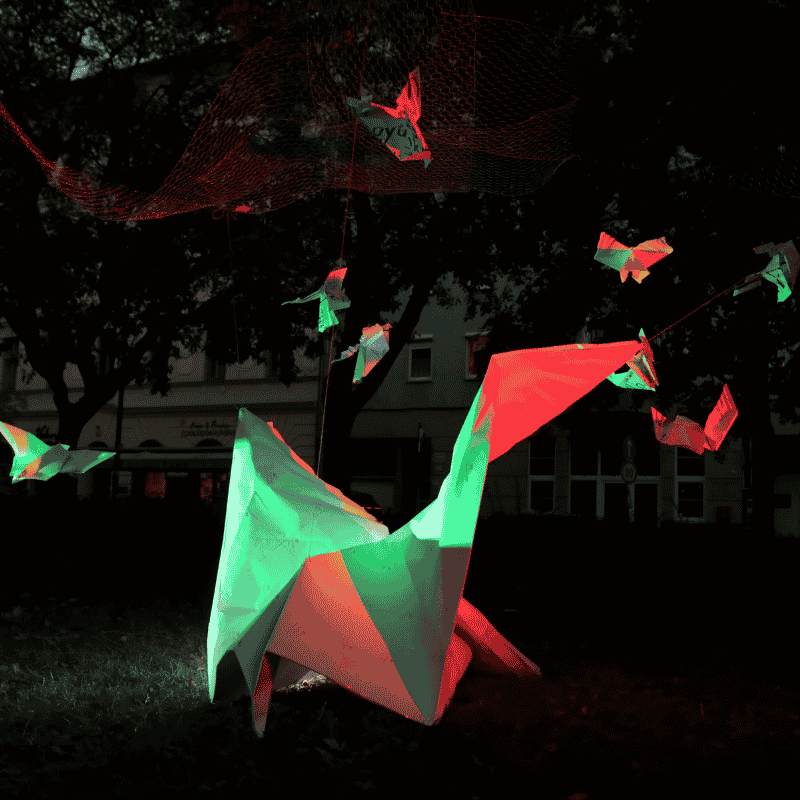
Apák és fiaik trilógiájának második része Holdosi József 1978-ban kiadja Kányák című regényét, mely hatására mind az író, mind a kiadó ellen feljelentést tesz a szerző nagyapja. Mit mutathat meg a saját közösségéből, az életéből egy író? És mennyiben védhető az alkotói szabadság a vádlottak padján? A per és a regény, illetve a valóság és a fikció keresztmetszetének történetét énekli … Read More
A cigányok tündérországa
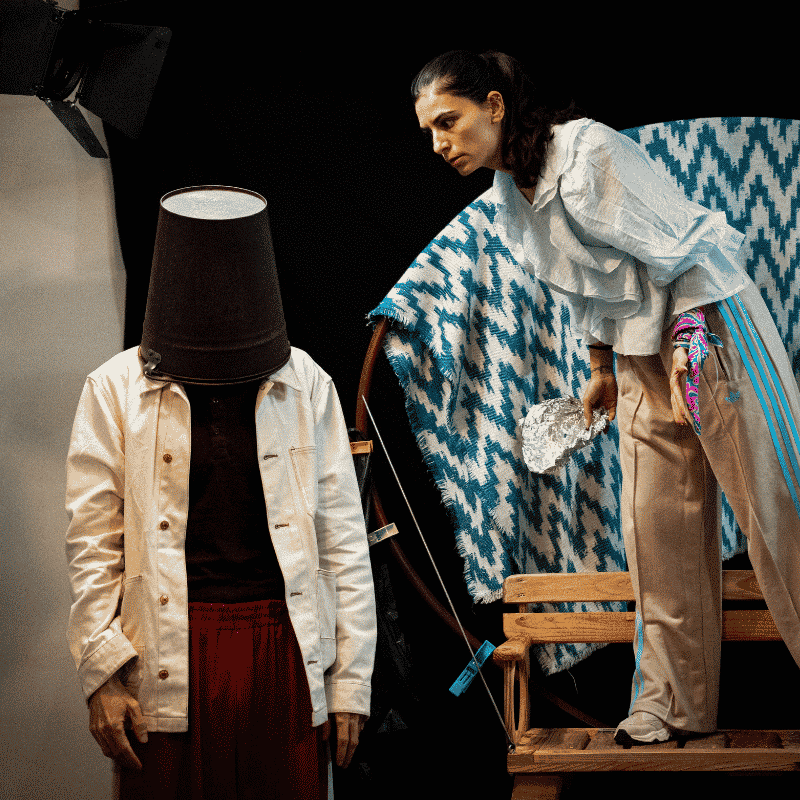
Apák és fiaik trilógiájának második része Holdosi József 1978-ban kiadja Kányák című regényét, mely hatására mind az író, mind a kiadó ellen feljelentést tesz a szerző nagyapja. Mit mutathat meg a saját közösségéből, az életéből egy író? És mennyiben védhető az alkotói szabadság a vádlottak padján? A per és a regény, illetve a valóság és a fikció keresztmetszetének történetét énekli … Read More
Top of the bread tree

The second part of the Fathers and Sons trilogy In 1978, József Holdosi published his novel “Kanyas”, which led the author’s grandfather to file a complaint against both the writer and the publisher. What can a writer reveal from their own community and life? And to what extent can artistic freedom be defended in the dock? József says that this … Read More
Gipsy Solitude

The second part of the Fathers and Sons trilogy Grandpa Imre sues his grandson József. The grandfather claims that József has insulted him, his deceased relatives and his current wife in his novel. His social relationships were damaged, his personality was destroyed and he even contracted a fatal illness because of the content of the book in question. József says … Read More
Gipsy, but decent

Rudolf Forgács is a young half-Roma, half-Székely comedian from Transylvania who recently graduated from the Cluj-Napoca Academy of Music. He is joined by Dániel Said, a half-Hungarian, half-Syrian comedian, a recurring performer at Showder Klub and Dumaszínház, who has lived his entire life in the 8th district. »»» Aktuális előadások Gypsy, but coolThe winning project of the Stand Up Roma … Read More
Evilface

The second part of the Fathers and Sons trilogy In 1978, József Holdosi published his novel “Kanyas”, which led the author’s grandfather to file a complaint against both the writer and the publisher. What can a writer reveal from their own community and life? And to what extent can artistic freedom be defended in the dock? József says that this … Read More
Prikézsia
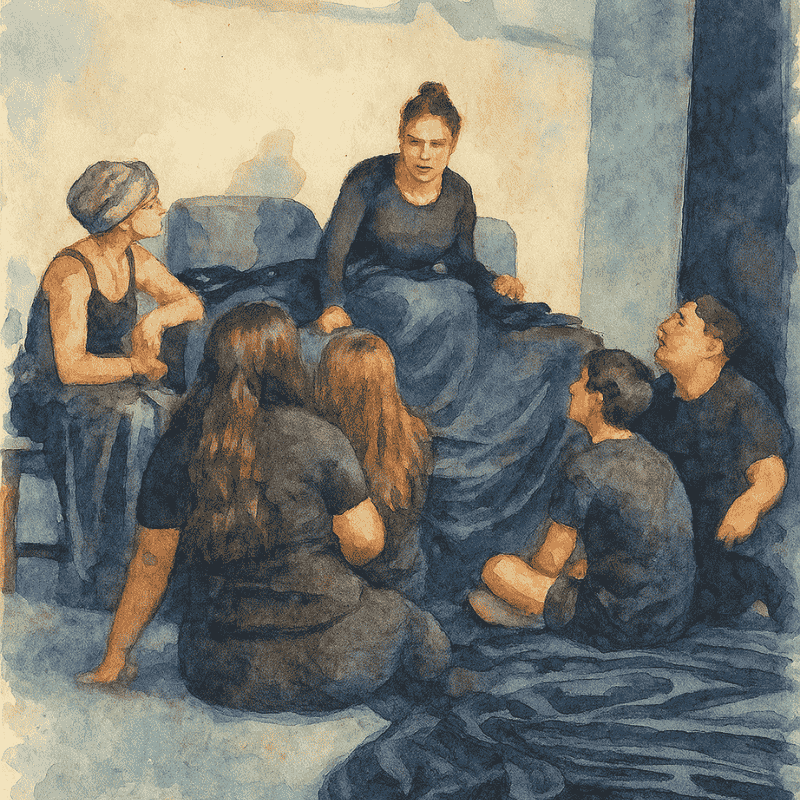
The second part of the Fathers and Sons trilogy In 1978, József Holdosi published his novel “Kanyas”, which led the author’s grandfather to file a complaint against both the writer and the publisher. What can a writer reveal from their own community and life? And to what extent can artistic freedom be defended in the dock? József says that this … Read More
Who laughs last

The second part of the Fathers and Sons trilogy In 1978, József Holdosi published his novel “Kanyas”, which led the author’s grandfather to file a complaint against both the writer and the publisher. What can a writer reveal from their own community and life? And to what extent can artistic freedom be defended in the dock? József says that this … Read More
The best village

The second part of the Fathers and Sons trilogy In 1978, József Holdosi published his novel “Kanyas”, which led the author’s grandfather to file a complaint against both the writer and the publisher. What can a writer reveal from their own community and life? And to what extent can artistic freedom be defended in the dock? József says that this … Read More
Disruptors of a Regime

Sándor wants to be a free filmmaker, but the Eastern European dictatorship he lives under has other plans for him. The state dictates his professional work, his social life and even invades his bedroom.
How can a young person from an impoverished Roma village become successful? How far can an artist go before the authorities silence them? What would you do if the state interfered in your work and private life? How can a filmmaker become truly successful in an age of socialism with its watchful eyes?
- Page 1 of 2
- 1
- 2
