


Our current plays
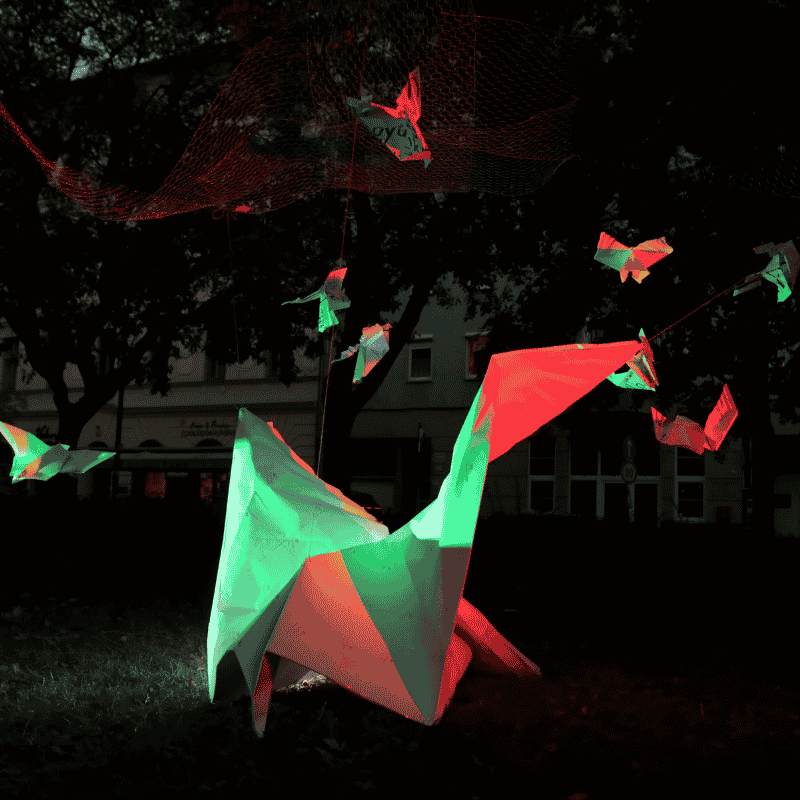
We Are ’56
The second part of the Fathers and Sons trilogy Grandpa Imre sues his grandson József. The grandfather claims that József has insulted him, his deceased relatives and his current wife in his novel. His social relationships were damaged, his personality was destroyed and he even contracted a fatal illness because of the content of the book in question. József says
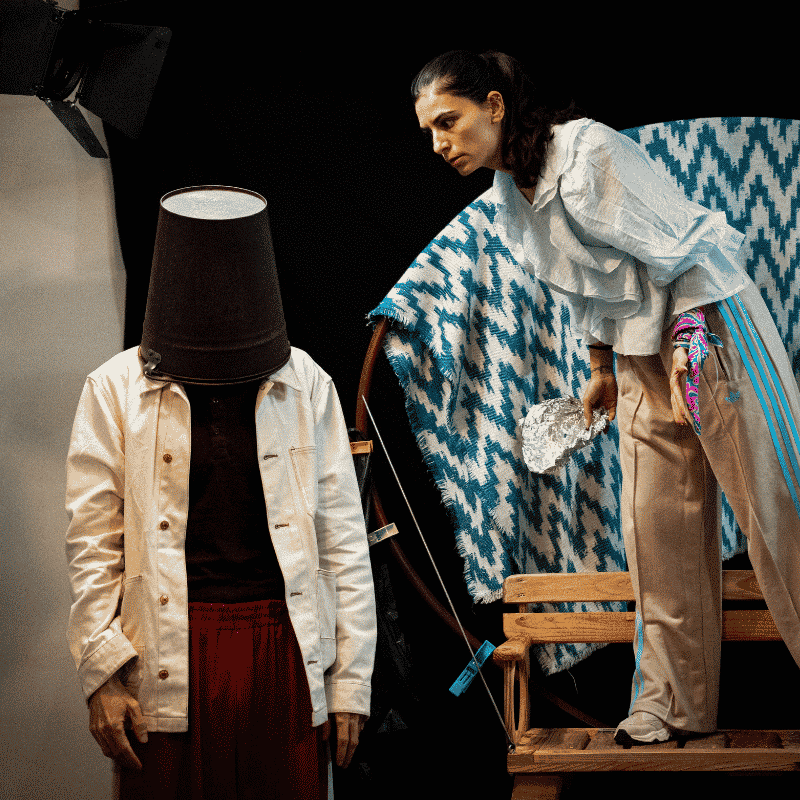
The Fairyland of the Gypsies
The second part of the Fathers and Sons trilogy Grandpa Imre sues his grandson József. The grandfather claims that József has insulted him, his deceased relatives and his current wife in his novel. His social relationships were damaged, his personality was destroyed and he even contracted a fatal illness because of the content of the book in question. József says

Top of the bread tree
The Top of the Breadfruit Tree is a heartbreakingly funny coming-of-age story about togetherness, distance, re-planning and the invisible rubber band that pulls us back into our shared past even when we thought we had moved on.Where do we end up when we leave everything behind?And what remains of us?»»» Aktuális előadások Premier – April 18, 2026 Top of the

Gipsy Solitude
The second part of the Fathers and Sons trilogy Grandpa Imre sues his grandson József. The grandfather claims that József has insulted him, his deceased relatives and his current wife in his novel. His social relationships were damaged, his personality was destroyed and he even contracted a fatal illness because of the content of the book in question. József says

Gipsy, but decent
Rudolf Forgács is a young half-Roma, half-Székely comedian from Transylvania who recently graduated from the Cluj-Napoca Academy of Music. He is joined by Dániel Said, a half-Hungarian, half-Syrian comedian, a recurring performer at Showder Klub and Dumaszínház, who has lived his entire life in the 8th district. »»» Aktuális előadások Gipsy, but decentThe winning project of the Stand Up Roma

Evilface
The second part of the Fathers and Sons trilogy In 1978, József Holdosi published his novel “Kanyas”, which led the author’s grandfather to file a complaint against both the writer and the publisher. What can a writer reveal from their own community and life? And to what extent can artistic freedom be defended in the dock? József says that this
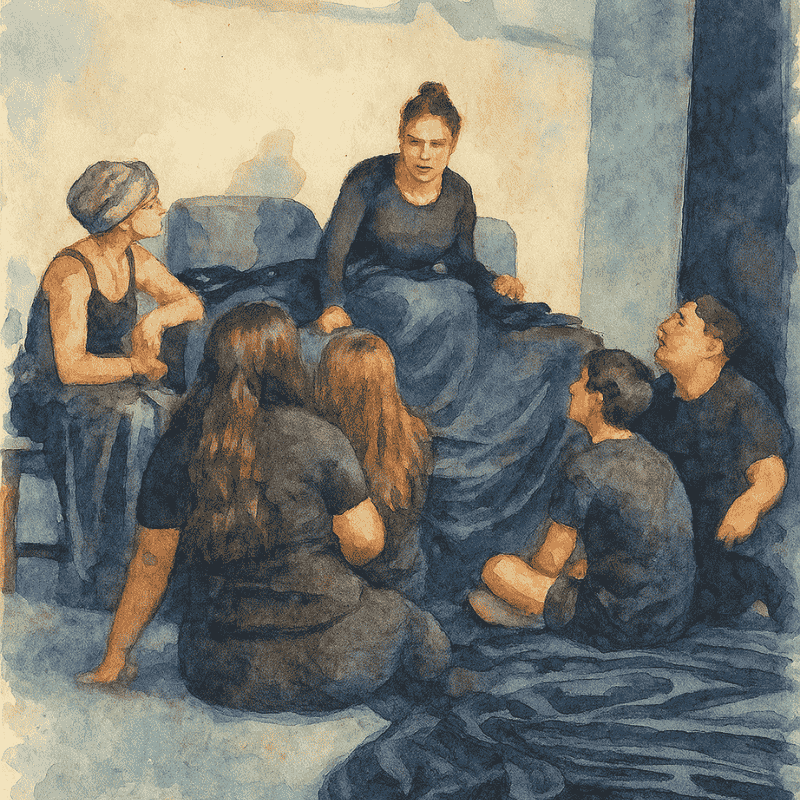
Prikézsia
The second part of the Fathers and Sons trilogy In 1978, József Holdosi published his novel “Kanyas”, which led the author’s grandfather to file a complaint against both the writer and the publisher. What can a writer reveal from their own community and life? And to what extent can artistic freedom be defended in the dock? József says that this

Who laughs last
The second part of the Fathers and Sons trilogy In 1978, József Holdosi published his novel “Kanyas”, which led the author’s grandfather to file a complaint against both the writer and the publisher. What can a writer reveal from their own community and life? And to what extent can artistic freedom be defended in the dock? József says that this

The best village
The second part of the Fathers and Sons trilogy In 1978, József Holdosi published his novel “Kanyas”, which led the author’s grandfather to file a complaint against both the writer and the publisher. What can a writer reveal from their own community and life? And to what extent can artistic freedom be defended in the dock? József says that this

Disruptors of a Regime
Sándor wants to be a free filmmaker, but the Eastern European dictatorship he lives under has other plans for him. The state dictates his professional work, his social life and even invades his bedroom.
How can a young person from an impoverished Roma village become successful? How far can an artist go before the authorities silence them? What would you do if the state interfered in your work and private life? How can a filmmaker become truly successful in an age of socialism with its watchful eyes?

Builders of a country
While many see the majority of Gypsies as unemployed, Roma workers have long played a prominent role in building houses in Hungary. Initially in the field of adobe bricklaying, later in brick factories and then in the construction industry in general, the role of Roma has become increasingly important, sometimes clinging to their identity, sometimes abandoning it.

Seven pence
The seven pennies are now in the man’s pocket. The day he found them, he lost something. Something that cannot be replaced. Through the recollection of his memories, he returns to the turning point of his childhood, to the day when play suddenly became reality. This is how we enter the world of Zsigmond Móricz’s short story, which tells not only of poverty, but also of self-sacrificing parental love.
Archive plays »
